What Happens If You Don’t Descale Your Espresso Machine
The Silent Threat to Your Espresso: What Happens When You Skip Descaling
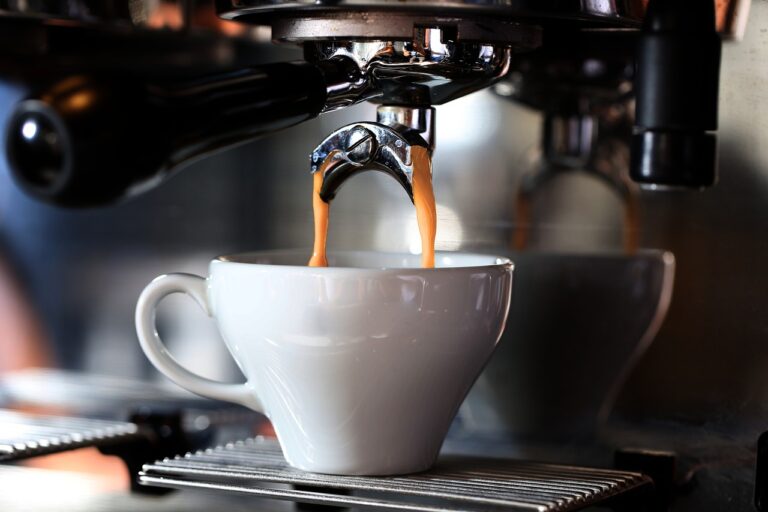
The aroma of freshly brewed espresso, the rich, velvety crema, the perfect balance of bitterness and sweetness – these are the hallmarks of a well-maintained espresso machine. But beneath the surface, a silent threat lurks, slowly but surely compromising your daily coffee ritual: limescale. Ignoring the descaling process can have significant consequences for your espresso machine, impacting its performance, lifespan, and ultimately, the quality of your beloved coffee. This article explores the detrimental effects of neglecting descaling, offering insights into why it’s a crucial aspect of espresso machine maintenance, especially in hard water areas UK.
The Gradual Build-Up: Understanding Limescale Formation
Limescale is primarily composed of calcium carbonate, a chalky deposit that forms when hard water is heated. Hard water, prevalent in many regions of the UK, contains high levels of dissolved minerals, particularly calcium and magnesium. As water heats up inside your espresso machine’s boiler, heating elements, and pipes, these minerals precipitate out of the solution and solidify, creating a hard, crusty layer of limescale. This build-up is a slow, progressive process, meaning you might not notice the effects immediately. However, with each brew, the problem worsens, leading to a cascade of negative consequences.
Compromised Heating Efficiency and Brewing Temperature
One of the first signs of limescale buildup is a decrease in heating efficiency. Limescale acts as an insulator, impeding the transfer of heat from the heating elements to the water. As the limescale layer thickens, your espresso machine has to work harder and longer to reach the optimal brewing temperature. This increased energy consumption not only drives up your electricity bill but also puts excessive strain on the heating elements, potentially leading to premature failure. Furthermore, inconsistent temperatures affect the extraction process, resulting in weak, under-extracted espresso. The optimal brewing temperature is crucial for extracting the right flavours, and without it, your espresso will lack its characteristic richness and complexity.
Reduced Water Flow and Pressure: The Impact on Extraction
Limescale doesn’t just affect heating; it also restricts water flow. As deposits accumulate within the pipes and valves of your espresso machine, they narrow the passageways through which water flows. This reduced water flow translates to lower pressure at the brew head, impacting the extraction process. Proper extraction requires sufficient pressure to force water through the finely ground coffee, extracting the desired oils and flavour compounds. Insufficient pressure results in a weak, watery espresso with a thin or non-existent crema. A tell-tale sign is when your espresso machine starts making strange noises, as it strains to push water through the limescale-clogged system. Keeping your machine free from limescale helps maintain adequate steam pressure for creating that perfect microfoam.
The Deterioration of Taste: Bitter, Metallic, and Unpleasant
Perhaps the most noticeable consequence of neglecting descaling is the deterioration of your espresso’s taste. Limescale itself can impart a bitter or metallic taste to your coffee. Moreover, the inconsistent temperatures and reduced water flow caused by limescale buildup lead to uneven extraction, further compromising the flavour profile. You might notice a sourness or astringency in your espresso, or an overall lack of the balanced flavours you expect. Over time, the build-up can damage the machine beyond repair, making it even more urgent to properly maintain it. Ultimately, you’re left with a cup of coffee that is far from satisfying.
Potential for Permanent Damage and Costly Repairs
Limescale is corrosive and can cause permanent damage to your espresso machine’s internal components. The constant stress on the heating elements, pump, and valves, coupled with the corrosive nature of limescale, can lead to cracks, leaks, and ultimately, component failure. Repairing or replacing these parts can be expensive, often exceeding the cost of regular descaling. In severe cases, a heavily limescale-ridden machine may be irreparable, forcing you to purchase a new espresso machine altogether. Investing a few minutes each month in descaling represents a significant cost saving compared to the expense of repairs or replacement.
The Importance of Regular Descaling: Prevention is Key
The best way to avoid the detrimental effects of limescale is to descale your espresso machine regularly. How often should you descale a bean-to-cup machine depends on several factors, including the hardness of your water, the frequency of use, and the manufacturer’s recommendations. In hard water areas UK, more frequent descaling is necessary. Some machines have built-in descaling reminders, while other times it is up to the user to set their own reminders. As a general guideline, descaling every 1-3 months is recommended. If your Saeco coffee machine has stopped descaling, there are ways to force a descale cycle.
Choosing the Right Descaling Solution
Selecting the appropriate descaling solution is crucial for effective limescale removal and the longevity of your espresso machine. Avoid using harsh chemicals or abrasive cleaners, as these can damage the machine’s internal components. Instead, opt for a descaling solution specifically formulated for espresso machines. These solutions typically contain citric acid or lactic acid, which effectively dissolve limescale without harming the machine. There are many guides online, including roundups of the best descaler for Saeco and Gaggia machines UK, which can help you make a purchase.
A Step-by-Step Guide to Descaling
The descaling process varies slightly depending on the make and model of your espresso machine. However, the general steps are as follows:
- Consult the Manufacturer’s Instructions: Always refer to your espresso machine’s user manual for specific descaling instructions.
- Prepare the Descaling Solution: Dilute the descaling solution according to the manufacturer’s instructions.
- Fill the Water Tank: Pour the diluted descaling solution into the water tank.
- Initiate the Descaling Cycle: Many espresso machines have a dedicated descaling cycle. Consult your user manual for instructions on how to initiate this cycle. If your machine doesn’t have a dedicated cycle, you can run the solution through the machine as if you were brewing espresso, but without any coffee grounds.
- Rinse Thoroughly: After the descaling cycle is complete, rinse the water tank thoroughly with fresh water. Refill the tank with fresh water and run several cycles through the machine to remove any residual descaling solution.
- Clean External Components: While descaling, take the opportunity to clean the external components of your espresso machine, such as the drip tray and brew head.
If you have a Gaggia espresso machine, it’s essential to follow the specific descaling procedure outlined in the user manual. Similarly, descaling a Saeco espresso machine requires a step-by-step approach and attention to the manufacturer’s guidelines. Furthermore, remember to keep your Gaggia Classic steam wand free from milk residue to ensure optimal performance and cafe-quality coffee.
The Long-Term Benefits of Descaling
Investing in regular descaling offers numerous long-term benefits, including:
- Extended Lifespan: Descaling prevents limescale buildup, protecting your espresso machine from damage and extending its lifespan.
- Improved Performance: Regular descaling ensures optimal heating efficiency, water flow, and pressure, resulting in consistent, high-quality espresso.
- Enhanced Taste: Descaling removes limescale deposits that can impart a bitter or metallic taste to your coffee, ensuring a clean, pure flavour.
- Reduced Energy Consumption: Descaling helps your espresso machine operate more efficiently, reducing energy consumption and saving you money on your electricity bill.
- Prevents Costly Repairs: Regular descaling prevents costly repairs and replacements, saving you money in the long run.
Conclusion: Don’t Neglect the Descaling Process
Descaling isn’t just a recommended maintenance task; it’s an essential part of preserving the performance, lifespan, and flavour of your espresso machine. By neglecting descaling, you risk compromising the quality of your coffee, damaging your machine, and incurring unnecessary expenses. Make descaling a regular part of your espresso machine maintenance routine, and you’ll be rewarded with years of delicious, professional-quality espresso. The few minutes spent descaling are a small price to pay for the continued enjoyment of your favourite beverage. Embrace the descaling process, and your espresso machine will thank you for it.